An Explanation of the Holy Mass

Crucified Christ
by Peter Paul Runens 1
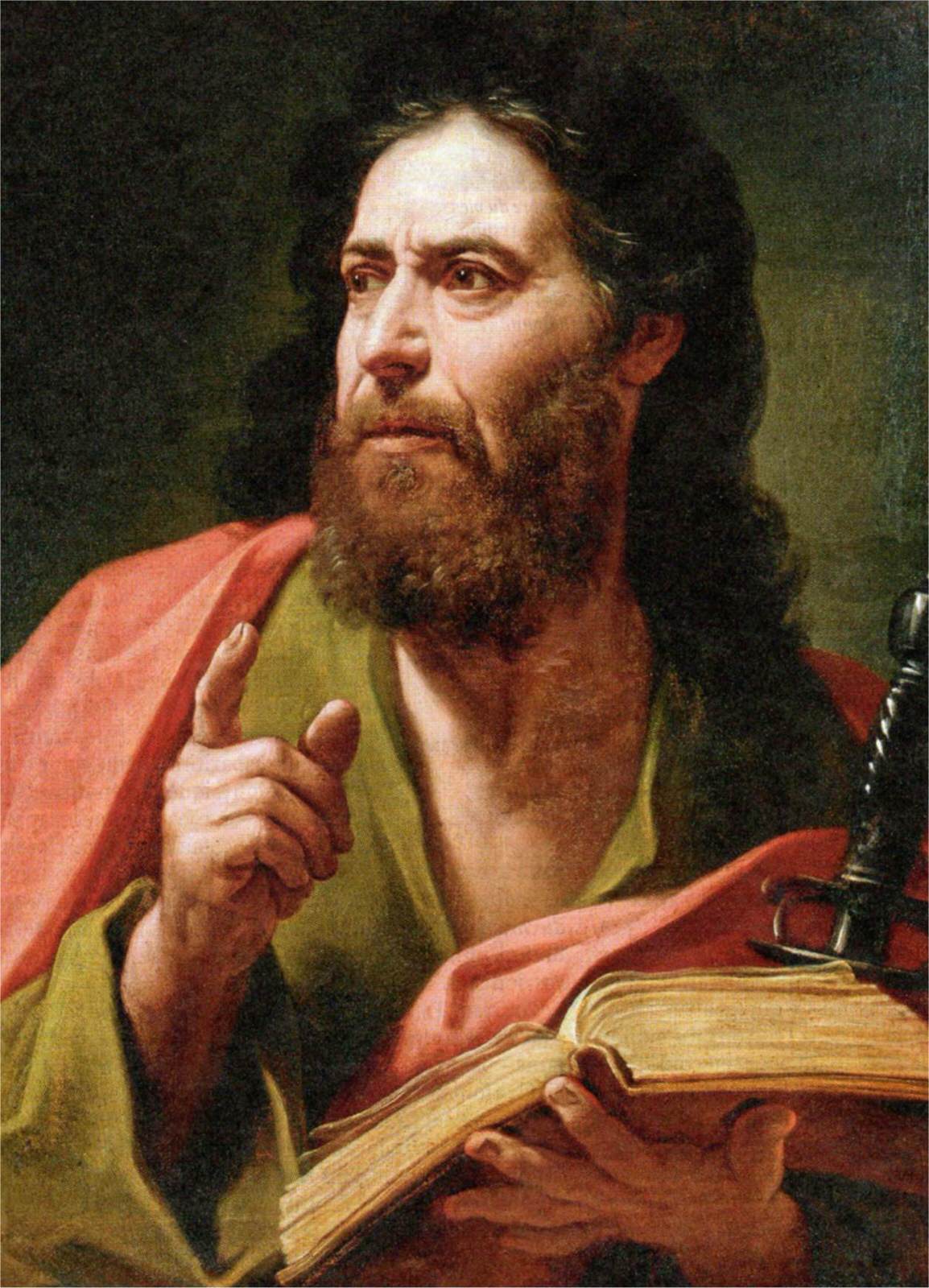
St. Paul, The Apostle
by Etienne Parrocel2

Nero Fiddled
Artist: Unknown 3
An Explanation of the Holy Mass
Crucified Christ
by Peter Paul Runens 1
St. Paul, The Apostle
by Etienne Parrocel2
Nero Fiddled
Artist: Unknown 3
A Brief History of the Mass
Jesus was crucified on a Friday, and then quickly placed in a tomb after he died so that the Sabbath could be observed. He then rose on Sunday, the first day of the week. See Luke 23:50-24:9.
In the Acts of the Apostles (20:7) we find the earliest evidence that believers assembled on Sundays for catechetical instruction and sacramental worship. It was soon called the Lord’s Day (Rev. 1:10; Didache 14) to commemorate the day Jesus rose from the dead.
As we know, to this day our Jewish brothers and sisters gather in their synagogues on Saturday, the last day of the week. Their synagogue service includes reading of the Law and the Prophets, what we would call the Old Testament.
The first Christians were Jewish, just like Jesus, so being good Jews, like Jesus (Lk 4:16), they went to the synagogue on Saturday. However, Jesus did something new and different at the Last Supper. During that Passover meal Jesus instituted the Eucharist. We don’t know when, but we know that before Acts 20:7 the Christians were celebrating the Eucharist on the Lord’s Day (Sunday), while still going to the synagogue on the Sabbath. In fact, every time St. Paul arrived at a new town where did he go first to preach the Good News, he went to the local synagogue.
Acts 20:7 occurs during Paul’s third missionary journey (53AD-58AD), celebrating the Eucharist on Sunday began less than 20 years after the passion of our Lord Jesus Christ. Our guess is that it happened much sooner than 20 years after the passion of our Lord.
Early on there is tension between the first Christians and their Jewish brothers and sisters. We see this with the persecution of the early Christians by Saul (Paul), and by others. The Jews were waiting for the Messiah, but the first Christians, who were Jews, believed that Jesus was the Messiah.
In addition, in a vision (Acts 10:9-11:18) it was revealed to Peter that there are no unclean animals, and that the Gentiles can become Christians. At the Council of Jerusalem (Acts 15:1-35) around the year 50AD it was decided that the Gentiles need not be circumcised in order to become Christians. The Gentiles need not become Jews, and they were permitted to eat food that the Jews considered unclean. However, they were told to abstain from meat sacrificed to idols, from blood, from meats of strangled animals, and from unlawful marriage. The result was that the Jewish Christians were attending both the synagogue on Saturday and the Lord’s Supper on Sunday, but the gentile Christians were only attending the Lord’s Supper on Sunday.
We know that Christians were persecuted by Nero and other Roman emperors during the first century. By the year 100AD our Jewish brothers and sisters had banned the Christians from the synagogue. The break between the Christians and our Jewish brothers and sisters was complete. It was clear the Christians believed the Messiah had already come and were refusing to sacrifice to the emperor of Rome. The Jews were permitted to abstain from those sacrifices because of their ancient tradition of worshipping only one God. However, in the eyes of the Romans, the Christians weren’t Jews, so they needed to sacrifice to the Roman gods. When the Christians refused, they were persecuted.
In any case, the Christians were not welcome in the synagogues. However, they were already celebrating the Eucharist on the Lord’s Day (Sunday) so they decided to move the synagogue service before the celebration of the Eucharist. In addition to reading from the Law and the prophets, they also shared the stories of Jesus. Eventually, the stories of Jesus were written down in the Gospels. When Paul wrote his letters they were read before the Eucharist. His letters were copied and sent to other Christian communities where they too were read. Thus, it didn’t take long for the two main parts of the mass to come together. In fact, we can read an outline of the mass from around 150AD in Justin Martyr’s Apology in chapter 65.
Images